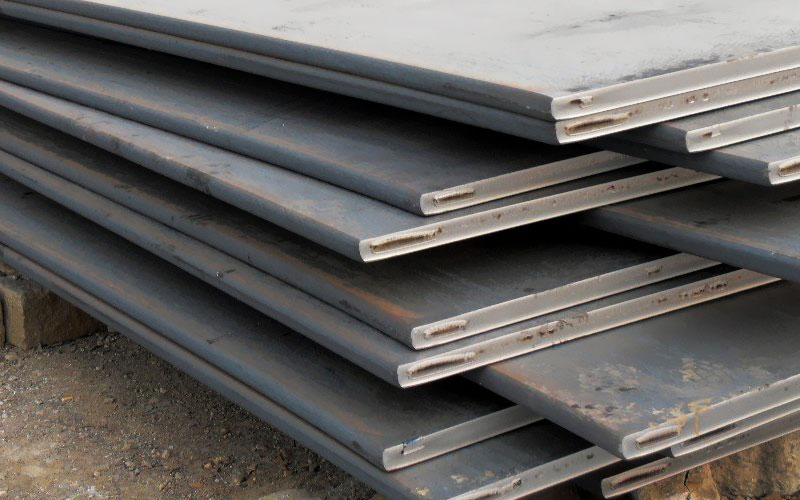
Mild steel plates are known for their exceptional properties and characteristics that make them highly sought after in various industries. These plates are made from low carbon steel, which gives them their unique properties. Here are some of the key features of mild steel plates:
- Excellent Weldability: One of the standout features of mild steel plates is their exceptional weldability. The low carbon content in these plates makes them easy to weld, allowing for seamless fabrication and construction processes. This makes them an ideal choice for projects that require extensive welding.
- High Tensile Strength: Mild steel plates are renowned for their high tensile strength, making them capable of withstanding heavy loads and stresses. This strength ensures that the structures or components made from mild steel plates have excellent structural integrity, providing a solid foundation for various applications.
- Formability: Another advantage of mild steel plates is their excellent formability. These plates can be easily shaped, bent, or formed into various structures or components without compromising their strength or durability. This flexibility in design allows for endless possibilities and customization options.
- Corrosion Resistance: Mild steel plates are resistant to corrosion, making them suitable for outdoor applications. This resistance to rust ensures that the plates maintain their integrity and performance even in harsh environments or exposure to moisture. This makes mild steel plates a reliable choice for projects that require long-lasting performance.
- Cost-Effectiveness: Mild steel plates offer a cost-effective solution for various industries. Compared to other types of steel, mild steel plates are relatively affordable without compromising on quality or performance. This makes them an attractive option for businesses looking to optimize their budget without compromising on the strength or durability of their projects.
With these exceptional properties, mild steel plates provide a versatile and reliable solution for a wide range of applications across different industries. Whether it’s for construction, automotive, or manufacturing purposes, mild steel plates offer the strength, durability, and flexibility needed for successful project execution.
Uses and Applications of Mild Steel Plates
Mild steel plates are widely used in various industries due to their versatility and exceptional properties. Here are some of the key uses and applications of mild steel plates:
- Construction: Mild steel plates play a crucial role in the construction industry, where they are used to build frameworks, support structures, and foundations. These plates provide the necessary strength and durability to withstand heavy loads, making them an integral part of buildings, bridges, and infrastructure projects.
- Automotive: In the automotive industry, mild steel plates are used to manufacture various components, such as chassis, body panels, and structural parts. The high tensile strength and formability of mild steel plates make them an excellent choice for creating lightweight yet robust automotive structures.
- Manufacturing: Mild steel plates find extensive applications in the manufacturing sector, where they are used to fabricate machinery parts, equipment, and tools. The weldability and formability of these plates allow for precise customization and efficient production processes, ensuring the quality and reliability of manufactured products.
- Shipbuilding: Mild steel plates are also widely used in the shipbuilding industry, where they are employed in the construction of ship hulls, decks, and bulkheads. The corrosion resistance and high tensile strength of these plates make them well-suited for marine environments, ensuring the longevity and safety of vessels.
- Storage Tanks: Mild steel plates are commonly used in the manufacturing of storage tanks, including fuel tanks, water tanks, and chemical storage tanks. The durability and corrosion resistance of these plates make them an ideal choice for storing various substances safely and securely.
- Infrastructure: Mild steel plates are essential in infrastructure projects such as railways, highways, and airports. They are used in the construction of railway tracks, road barriers, and airport runways. The strong and durable nature of mild steel plates ensures the structural integrity of these critical infrastructure components.
- General Engineering: Mild steel plates are widely utilized in general engineering applications, where they are used to fabricate a wide range of products, such as pipes, tubes, brackets, and fittings. The versatility and cost-effectiveness of mild steel plates make them a preferred choice for various engineering projects.
These are just a few examples of the numerous uses and applications of mild steel plates. Their exceptional properties and versatility make them an indispensable component in a wide range of industries, providing strength, durability, and reliability to countless projects.
Advantages of Using Mild Steel Plates
Mild steel plates offer numerous advantages that make them an attractive choice for various industries. Here are some of the key advantages of using mild steel plates:
- Strength and Durability: Mild steel plates possess high tensile strength and durability, making them capable of withstanding heavy loads and stresses. This ensures the longevity and structural integrity of the projects they are used in, providing a solid and reliable foundation.
- Cost-Effectiveness: Mild steel plates are relatively affordable compared to other types of steel, making them a cost-effective solution for businesses. This cost-effectiveness allows businesses to optimize their budgets without compromising on the quality or performance of their projects.
- Versatility: Mild steel plates offer exceptional versatility in terms of design and fabrication. They can be easily shaped, bent, or formed into various structures or components, allowing for customization and flexibility in project execution.
- Weldability: Weldability is a standout feature of mild steel plates. The low carbon content in these plates ensures that they can be easily welded, enabling seamless fabrication and construction processes. This ease of welding saves time and reduces costs in project execution.
- Formability: Mild steel plates exhibit excellent formability, allowing for precise customization and efficient manufacturing processes. They can be easily shaped or bent without compromising their strength or durability, providing endless possibilities for design and fabrication.
- Corrosion Resistance: Mild steel plates have inherent corrosion resistance, making them suitable for outdoor applications and exposure to moisture. This corrosion resistance ensures the longevity and performance of the plates, even in harsh environments.
- Availability: Mild steel plates are readily available in the market, making them easily accessible for businesses and industries. This availability ensures a smooth supply chain and reduces lead times for project execution.
These advantages make mild steel plates a popular choice in various industries, offering a reliable and cost-effective solution for projects that require strength, durability, and flexibility.
Types of Mild Steel Plates Available in the Market
Mild steel plates come in various types, each with its own specific properties and applications. Here are some of the common types of mild steel plates available in the market:
- Hot Rolled Mild Steel Plates: Hot rolled mild steel plates are manufactured by heating the steel above its recrystallization temperature and then rolling it into the desired thickness. These plates have a rough and scaled surface, making them suitable for applications where aesthetics are not a priority.
- Cold Rolled Mild Steel Plates: Cold rolled mild steel plates are made by further processing hot rolled plates through cold reduction mills. This process improves the surface finish and dimensional accuracy of the plates, making them suitable for applications that require a smooth and precise finish.
- Galvanized Mild Steel Plates: Galvanized mild steel plates are coated with a layer of zinc to enhance their corrosion resistance. The zinc coating acts as a protective barrier, preventing the underlying steel from coming into contact with moisture or corrosive substances. These plates are commonly used in outdoor applications.
- Chequered Mild Steel Plates: Chequered mild steel plates are embossed with a checkered pattern on the surface, providing enhanced grip and slip resistance. These plates are commonly used in flooring, stairs, and walkways where traction is essential to prevent accidents.
- High Strength Mild Steel Plates: High strength mild steel plates are manufactured by adding alloying elements such as manganese, chromium, or nickel to enhance their strength and hardness. These plates are used in applications that require higher strength and resistance to wear and abrasion.
- Boiler Quality Mild Steel Plates: Boiler quality mild steel plates are specially manufactured to withstand high-pressure and high-temperature conditions. These plates are commonly used in the construction of boilers, pressure vessels, and heat exchangers.
- Structural Mild Steel Plates: Structural mild steel plates are designed to be used in structural applications, such as building frameworks, bridges, and support structures. These plates are manufactured to meet specific standards and requirements for structural integrity and load-bearing capacity.
These are just a few examples of the types of mild steel plates available in the market. Each type has its own unique properties and applications, allowing businesses to choose the most suitable option for their specific project requirements.
Factors to Consider When Selecting Mild Steel Plates
When selecting mild steel plates for a project, it is essential to consider various factors to ensure the best fit for the application. Here are some key factors to consider:
- Strength and Durability Requirements: Assess the strength and durability requirements of the project to determine the appropriate grade and thickness of mild steel plates. Consider the load-bearing capacity and expected lifespan of the structure or component to select plates that can withstand the anticipated stresses.
- Corrosion Resistance: Evaluate the environmental conditions and exposure to moisture or corrosive substances. Choose mild steel plates with adequate corrosion resistance to ensure the longevity and performance of the project in such conditions.
- Weldability and Formability: If the project involves welding or requires complex fabrication, opt for mild steel plates with excellent weldability and formability. This will facilitate seamless welding processes and allow for customization and flexibility in design.
- Cost-Effectiveness: Consider the budget constraints and overall cost-effectiveness of the project. Compare the prices of different types and grades of mild steel plates to find the most suitable option that offers the desired quality and performance within the allocated budget.
- Industry Standards and Regulations: Ensure that the selected mild steel plates meet the relevant industry standards and regulations for the specific application. Compliance with these standards ensures the quality, safety, and reliability of the project.
- Supplier Reliability: Choose a reputable and reliable supplier who can provide high-quality mild steel plates consistently. Look for suppliers with a track record of delivering products on time and meeting customer expectations.
By considering these factors, businesses can make informed decisions when selecting mild steel plates for their projects. This ensures that the chosen plates meet the specific requirements and contribute to the success of the project.
Common Manufacturing Processes for Mild Steel Plates
Mild steel plates undergo various manufacturing processes to achieve the desired properties and dimensions. Here are some of the common manufacturing processes involved in the production of mild steel plates:
- Hot Rolling: Hot rolling is the primary manufacturing process for mild steel plates. In this process, the steel is heated above its recrystallization temperature and then rolled between large rollers to reduce its thickness. This process imparts the desired shape and dimensions to the plates.
- Cold Rolling: Cold rolling is often performed on hot rolled plates to improve their surface finish and dimensional accuracy. In cold rolling, the hot rolled plates are passed through cold reduction mills, which apply pressure to further reduce the thickness and refine the surface.
- Annealing: Annealing is a heat treatment process used to soften the steel and relieve internal stresses. After cold rolling or other mechanical processes, the mild steel plates are heated and then slowly cooled to enhance their machinability and formability.
- Galvanizing: Galvanizing is a process used to apply a layer of zinc to the surface of mild steel plates. The plates are immersed in a bath of molten zinc, and a metallurgical bond is formed between the zinc and the steel. This process enhances the corrosion resistance of the plates, making them suitable for outdoor applications.
- Cutting and Shearing: Mild steel plates are cut and sheared to the desired dimensions using various cutting tools and techniques. This process ensures that the plates are available in the required sizes for different applications.
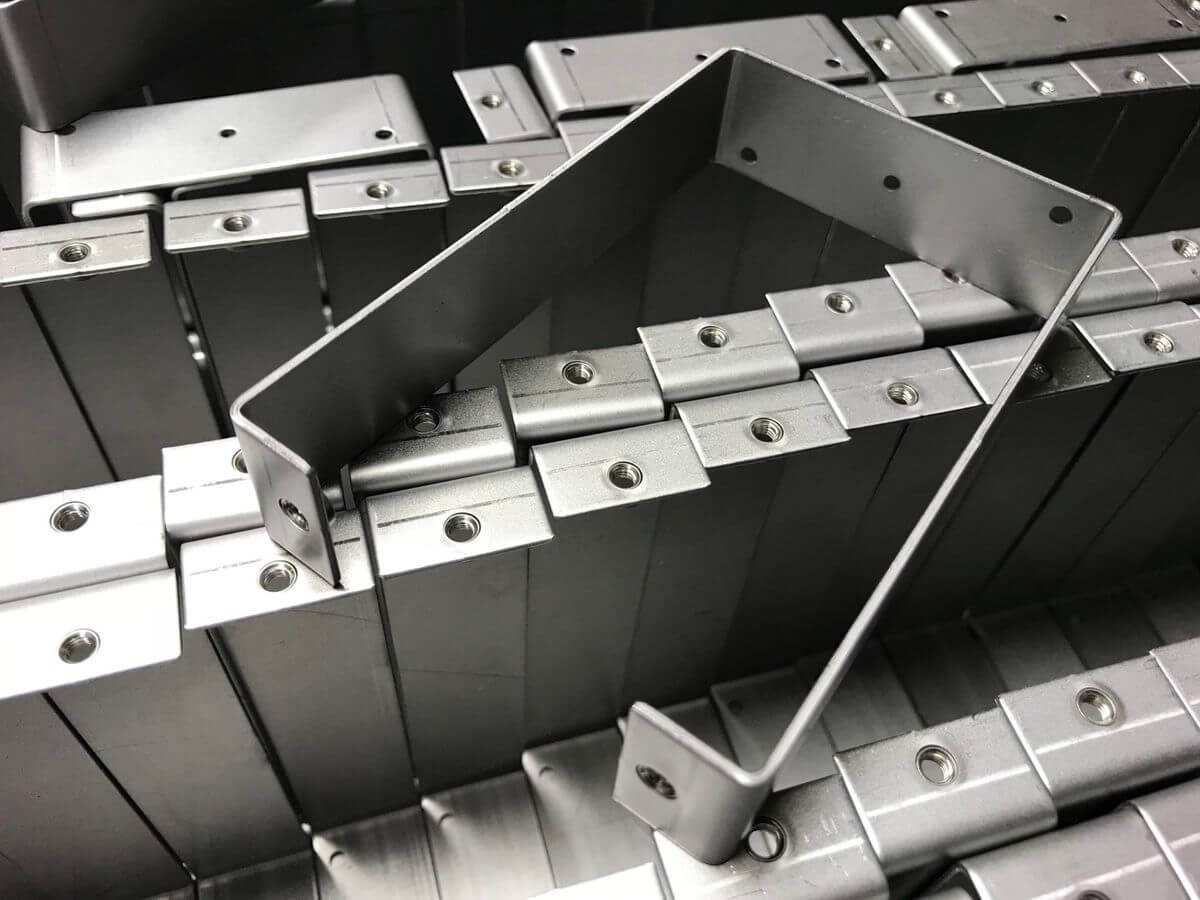
- Forming and Bending: Mild steel plates can be easily shaped, bent, or formed into various structures or components. This process is achieved through mechanical or hydraulic presses, allowing for customization and flexibility in design.
- Surface Treatment: Mild steel plates may undergo surface treatment processes to improve their appearance or provide additional protection. This can include processes such as painting, powder coating, or applying protective coatings to enhance the aesthetics and corrosion resistance of the plates.
These manufacturing processes ensure that mild steel plates are produced with the desired properties, dimensions, and finishes. Each process contributes to the overall quality and performance of the plates, making them suitable for a wide range of applications.
Maintenance and Care Tips for Mild Steel Plates
Proper maintenance and care are essential to ensure the longevity and performance of mild steel plates. Here are some tips to keep in mind:
- Regular Cleaning: Mild steel plates should be regularly cleaned to remove dirt, debris, and other contaminants that may accumulate on the surface. This can be done using mild soap or detergent and water. Avoid using abrasive cleaners or harsh chemicals that may damage the plates.
- Inspection for Corrosion: Periodically inspect the mild steel plates for signs of corrosion or rust. If any corrosion is detected, promptly remove it using a wire brush or sandpaper and apply a suitable rust inhibitor or protective coating to prevent further corrosion.
- Avoid Exposure to Moisture: Moisture is a common cause of corrosion in mild steel plates. Avoid exposing the plates to prolonged moisture or wet conditions. If the plates are used in outdoor applications, ensure proper drainage and take necessary measures to protect them from excessive moisture.
- Regular Painting or Coating: Applying a protective paint or coating to the mild steel plates can enhance their resistance to corrosion and prolong their lifespan. Regularly check the paint or coating for any signs of damage or wear and reapply as necessary.
- Proper Handling and Storage: Handle mild steel plates with care to prevent scratches or damage to the surface. Store the plates in a dry and well-ventilated area to minimize the risk of corrosion. If stacking the plates, ensure proper support and avoid excessive weight on top of the stack.
- Avoid Contact with Other Metals: Avoid direct contact between mild steel plates and other metals, especially those with different electrochemical properties. This can cause galvanic corrosion, where the mild steel plates act as the anode and corrode faster.
- Professional Inspection: Periodically engage professional inspectors to assess the condition of the mild steel plates and identify any potential issues. These inspections can help detect early